Preparing Your Dallas GA Concrete Driveway for Winter
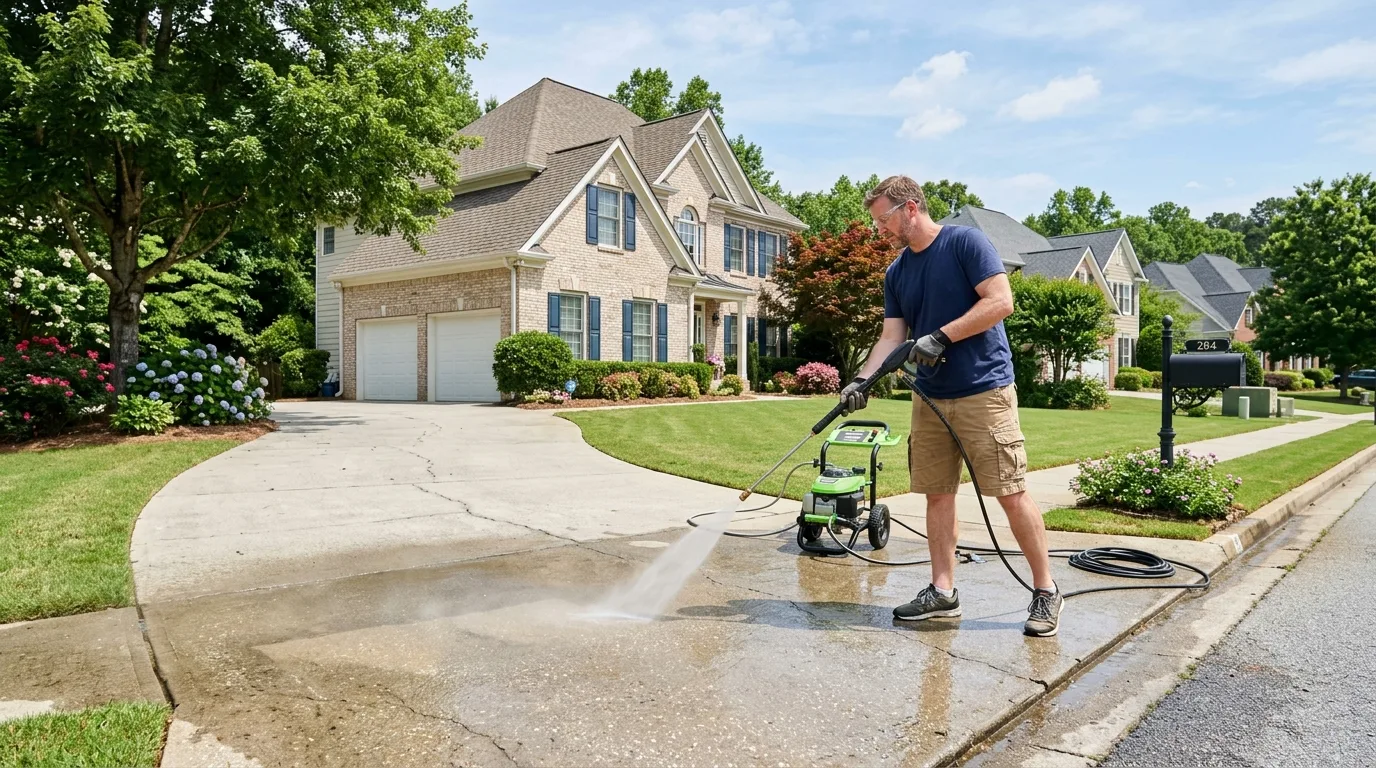
Dallas, GA doesn’t have the brutal winters of northern states, but the freeze-thaw cycles that occur from December through February in Paulding County are enough to cause real damage to concrete driveways that weren’t properly sealed or maintained. The good news: a few hours of preparation in October or November can prevent the cracking and surface spalling that homeowners discover every spring. This guide walks through exactly what to do — and what not to do — to protect your concrete driveway through a Georgia winter.
In this post, we cover: how freeze-thaw cycles damage concrete in Dallas, GA, which concrete surfaces are most vulnerable, how and when to seal your driveway before winter, crack repairs that should happen in fall, and what to avoid doing to concrete in winter.
Fall Concrete Repair and Sealing in Dallas, GA
Schedule your driveway repair or sealing before Georgia's winter freeze cycle. Dallas Concrete serves all of Paulding County — call (888) 376-0955.
How Winter Damages Concrete in Dallas GA
Dallas, GA averages a January high of 51°F, but overnight lows regularly drop below 32°F from December through February. When temperatures fall below freezing after a wet period, water that has worked its way into concrete pores and cracks expands as it freezes — at 9% greater volume than liquid water. This expansion exerts pressure on the surrounding concrete matrix, widening existing cracks and fracturing the surface layer in a process called freeze-thaw cycling.
On unsealed concrete driveways in Paulding County neighborhoods like Riverwood and Pickens Bluff, this mechanism plays out every winter. A crack that was 1/8 inch wide in October becomes 1/4 inch wide by March. Surface spalling — concrete flaking away in chips — accumulates winter by winter until the surface is noticeably pitted and deteriorated. The damage is cumulative and accelerating: each cycle opens more surface area to water infiltration, which makes the next freeze-thaw event more damaging.
Types of Winter Damage on Dallas GA Concrete Driveways
Surface spalling: The top layer of concrete delaminates and chips away. Often starts as small pocks and progresses to large flaking areas. Most common on driveways that were installed without air entrainment in the mix, or that were sealed with a chloride-based deicer at some point.
Crack propagation: Existing cracks widen by 1–3 times their pre-winter size over a single season when left unsealed. Water infiltrates in fall rains, freezes in December–February, and mechanically expands the crack.
Joint failure: Control joints that were properly sealed deteriorate over time; failed joint sealant allows water into the joint, where freeze-thaw cycling then attacks the concrete edges on both sides.
Edge cracking: Driveway edges exposed to freeze-thaw cycling without protection from compacted soil or edging deteriorate faster than the slab interior. Dallas homeowners often notice edge cracking before interior problems appear.
Practical Uses: Fall Preparation Checklist for Dallas GA Homeowners
- Seal the driveway by mid-November: Apply a penetrating concrete sealer or high-quality acrylic sealer before temperatures drop below 50°F. Sealers need at least 24–48 hours above 50°F to cure properly. Most Dallas, GA winters allow sealing through October and early November without issue.
- Fill and seal all cracks before sealing: Cracks wider than 1/8 inch should be filled with flexible polyurethane crack filler before the sealer is applied. Sealing over an open crack traps water rather than excluding it.
- Re-seal control joints: Apply backer rod and polyurethane joint sealant to any control joints where the original sealant has dried, cracked, or separated. This is the single most impactful step for preventing winter concrete damage in Dallas.
- Clear debris from joints and low spots: Leaves and organic debris trapped in joints hold moisture against the concrete through winter. Clear them before the first freeze.
- Repair any surface spalling: Small spalled areas can be patched with polymer-modified mortar before winter. Leaving spalls open exposes fresh concrete interior to the first freeze-thaw cycle, accelerating deterioration. See our concrete repair services for professional repair options.
- Check drainage: Verify that water still drains away from the driveway edges and that downspouts aren’t directing water onto the slab. Constant moisture from a drainage problem makes any sealer less effective.
How to Seal a Concrete Driveway Before Winter in Dallas GA
Sealing your Dallas, GA concrete driveway is a straightforward DIY project or something Dallas Concrete can handle as part of a fall maintenance visit:
- Clean the surface: Power wash or sweep thoroughly, removing all oil, leaves, and debris. Oil stains require a degreaser treatment before sealing.
- Repair cracks and joints: Address all open cracks and failed joints before applying sealer.
- Let the surface dry completely: 24–48 hours of dry weather is needed after cleaning before applying sealer.
- Apply sealer: Roll or spray penetrating sealer in thin, even coats. Two thin coats are better than one thick coat.
- Allow cure time: Keep vehicle traffic off the sealed surface for 24–48 hours.
Choose the right product: penetrating sealers (silane/siloxane formulations) are best for older driveways or slabs with minor surface wear. Film-forming acrylic sealers provide a wet look and added stain resistance for newer slabs.
Fall Concrete Prep in Paulding County — Before Winter Hits
Dallas Concrete handles crack repair and sealing in Dallas, Hiram, and all of Paulding County. Call (888) 376-0955.
What NOT to Do to Your Concrete in Dallas GA Winters
Never use rock salt (sodium chloride) or calcium chloride deicers on concrete. These products penetrate the surface and accelerate freeze-thaw spalling — causing more damage than the ice they remove. This is especially damaging to concrete less than one year old. Use sand for traction or a magnesium chloride product, which is much less aggressive on concrete surfaces.
Don’t use metal shovels or scrapers on concrete. Metal edges scratch and chip concrete surfaces, particularly stamped or decorative finishes. Use plastic shovels or blades for snow and ice removal.
Don’t apply sealer when temperatures are below 50°F. Sealer applied in cold weather doesn’t cure properly and may peel or fail to penetrate. October is the last reliable sealing window for most Dallas, GA winters.
Don’t ignore cracks that opened over winter. Small cracks that appeared or widened over winter should be addressed in spring — not the following fall. Each winter cycle compounds the damage. See our concrete repair vs. replacement guide for when spring repair makes sense.
Frequently Asked Questions
When is the best time to seal a concrete driveway in Dallas GA?
The best sealing window in Dallas, GA is October — temperatures are still consistently above 50°F, the dry fall season means the surface can be prepared and sealed without interruption by rain, and you get the full winter protected. November works too, but watch the forecast for temperature drops. Sealing in late November risks applying in temperatures too cold for proper cure. See our seasonal concrete guide for the full seasonal context.
How often should I seal my concrete driveway in Paulding County?
Most concrete sealers in Georgia need to be reapplied every 2–3 years for penetrating sealers and every 1–2 years for surface-applied acrylic sealers. Stamped concrete should be resealed annually because the color and sheen depend on the sealer. Signs that your driveway needs resealing: water no longer beads on the surface, the color looks dull or faded, or you can see the surface beginning to absorb rather than repel moisture.
Does sealing concrete really prevent winter damage in Dallas, GA?
Yes — significantly. A properly sealed driveway greatly reduces the amount of water that can enter the concrete matrix, limiting the freeze-thaw cycling that causes spalling and crack propagation. Sealed concrete in Dallas, GA typically shows 3–4 times less winter damage than unsealed concrete over a 10-year period. Sealing is the single highest-return maintenance step you can take for a concrete driveway in Paulding County. See our concrete driveway cost guide for a full picture of what maintenance costs look like over a driveway’s lifetime.
Get Your Dallas GA Driveway Ready for Winter
Dallas Concrete provides fall crack repair and sealing throughout Paulding County. Call (888) 376-0955 before the freeze cycle begins.
Related: